

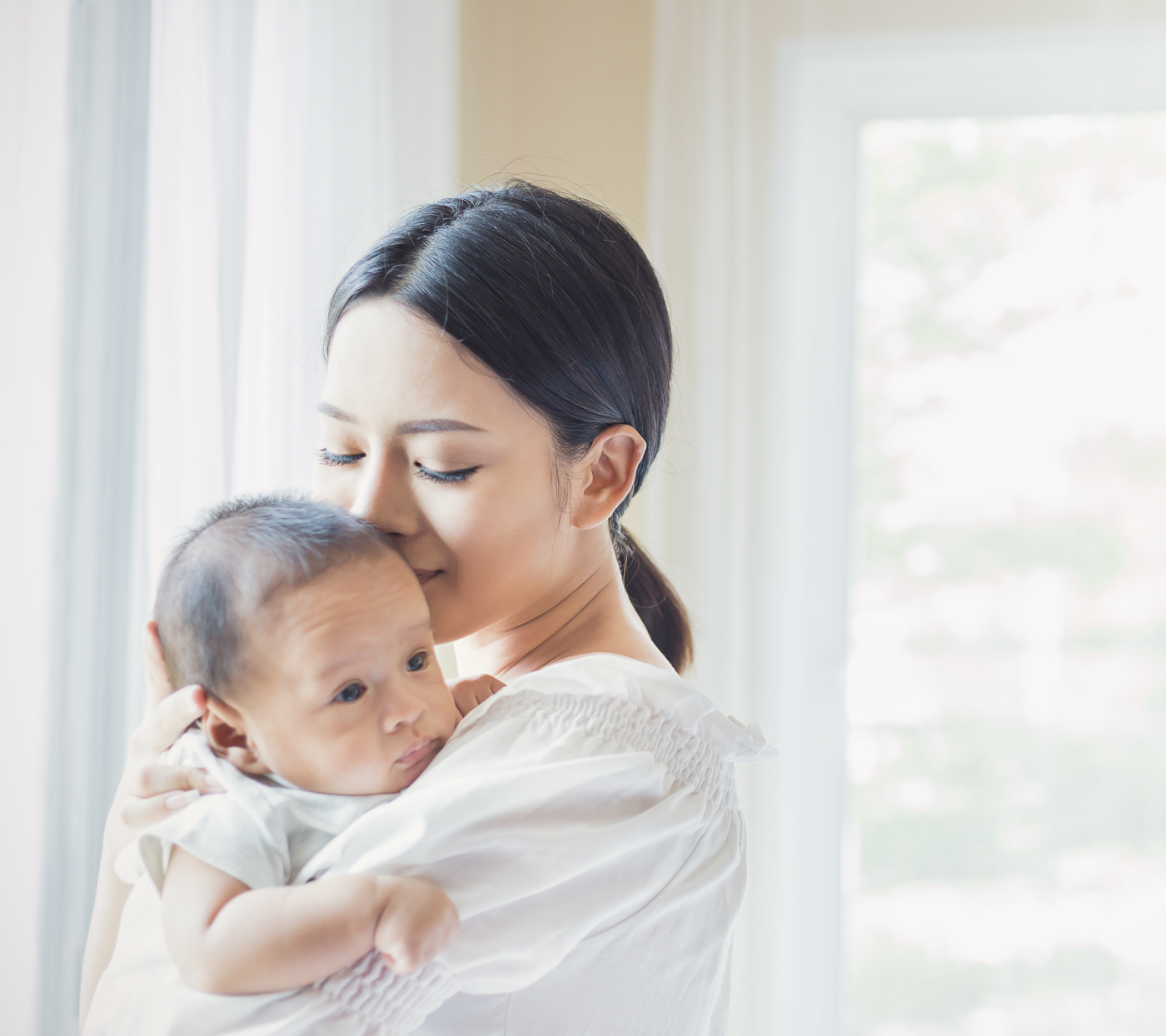
Playtime with your newborn might not look like what you'd expect. There's no need for elaborate toys or complex games. In fact, some of the most important moments with your baby – eye contact, gentle touch, the sound of your voice – are the foundation of healthy development and a secure parent-child bond.
But here's what many parents don't realize: play during these early months isn't just about connection. It's how babies learn to understand their bodies, process sensory information, and develop the motor coordination that sets them up for rolling, sitting, crawling, and beyond.
Why Play With Your Newborn Matters
When you engage your baby in play, you're doing far more than passing the time. Research from developmental psychology consistently shows that responsive, interactive play is essential for several critical areas of your baby's growth.
Building a Secure Attachment
Every time you respond to a coo, make eye contact, or gently interact with your baby, you're sending a clear message: "I see you. I'm here for you." This responsiveness isn't spoiling, it's the foundation of secure attachment. Babies who receive consistent, loving attention during their first months develop greater emotional security, confidence, and resilience as they grow.
Supporting Brain Development
Your baby's brain is developing at an extraordinary rate during these early months. When you talk, sing, or play with your newborn, you're not just providing entertainment, you're creating neural pathways related to language, social understanding, and emotional regulation. Every interaction counts!
Developing Sensory Awareness
Newborns are sensory explorers. They're learning what textures feel like, how sounds differ, what they see when they focus on your face. Play that introduces varied sensory experiences – different textures, sounds, visual stimuli – helps develop their sensory processing and awareness of their own body.
Simple Ways to Play With Your Newborn
The beauty of newborn play is that it doesn't require special equipment or an elaborate plan. It requires your presence and a few simple approaches.

Eye Contact and Facial Expressions
One of the first games babies learn is "mirror play" through your face. Babies are naturally drawn to human faces…it's hardwired into their development. Make exaggerated expressions. Use different voices. Let your baby see you smile, look surprised, show curiosity.
When you make eye contact and your baby meets your gaze, you're not just sharing a moment. You're teaching them how to read emotional cues, showing them they're worth your attention, and helping them understand that faces communicate meaning.
Talking and Singing
Your voice is one of the most familiar and comforting sounds to your baby – which makes sense, since they’ve been hearing it since before birth! Talking to your baby, narrating what you're doing, and singing simple songs all contribute to language development and bonding.
You don't need special baby songs or perfect pitch. Babies respond enthusiastically to any singing, silly voices, and playful narration. Talk about what you're doing: "I'm changing your diaper," "Look at this soft blanket," "Let's go see the window." These everyday narrations build language skills and help your baby feel engaged with the world around them.
Gentle Touch and Massage
Touch is one of the earliest forms of communication between you and your baby. Skin-to-skin contact is soothing for both of you, stabilizes your baby's body temperature and heart rate, and provides the sensory input that helps them feel secure.
As your baby grows slightly older, gentle baby massage can be wonderful. Using light pressure on their arms, legs, and back, you're providing sensory input, promoting relaxation, and deepening physical connection. Many hospitals and pediatric offices offer infant massage classes if you want guidance.
Tummy Time Play
Tummy time is one of the most beneficial activities for newborn development; it builds the neck, shoulder, and core strength needed for future milestones. But it doesn't have to be passive. Tummy time is also an opportunity for play.
Get down on the floor with your baby. Make faces at them. Let them practice lifting their head as they follow your face. Talk to them. Some parents use colorful scarves or soft toys to gently encourage their baby to lift and engage. The combination of physical development and interactive play makes tummy time especially powerful.
Sensory Exploration
Introduce different sensations safely and thoughtfully. Soft fabrics, safe toys with different surfaces, gentle sounds—these all help your newborn develop sensory awareness. Let them touch and explore (with supervision, of course). Narrate what they're experiencing: "That's soft," "Listen to that sound," "See how shiny that is."
The Missing Piece: Movement and Water-Based Play
Most parents know about tummy time, making faces, and talking to their babies. But there's one dimension of early play that often gets overlooked: the role of self-directed movement. However, on land, that just isn’t possible for newborns. That’s where water play comes in.
When babies have the freedom to move independently in water, something remarkable happens. Water provides gentle resistance, without gravity pressing down. This allows babies who aren't yet rolling or crawling to experience intentional movement in a way that's developmentally appropriate and engaging.
This is where products like Otteroo come in – not as entertainment, but as a gateway to a type of developmental play that's otherwise difficult to access.
How Aquatic Play Develops Motor Planning
Motor planning is the neurological process that teaches babies how to coordinate their movements, understand spatial relationships, and develop the foundation for complex motor skills. Babies develop motor planning by doing, by exploring how their body moves through space.
In water, your baby can practice independent movement in ways that feel effortless and play-based rather than forced. The buoyancy of water supports their body while they learn. They experience the sensation of moving their limbs through a medium that responds to their efforts in a tangible way.
When you use Otteroo during water time with your baby, you're enabling a specific type of developmental play that strengthens motor planning, body awareness, and the confidence that comes from intentional movement.

Sensory Development in Water
Water is a rich sensory environment. Temperature, texture, resistance, the feeling of movement and flow…all of these sensory inputs help babies develop a more complete understanding of their bodies and how they interact with their environment.
For newborns and very young infants who can't yet sit or move independently on land, water-based movement allows them to experience sensory input and movement exploration that accelerates their developmental timeline. They're not just moving, they're gathering information about spatial relationships, cause and effect, and their own physical capabilities.
Creating Parent-Child Connection in Water
Perhaps the most underrated aspect of water play is how it transforms the parent-child experience. When your baby is in water with appropriate support like Otteroo, you have a hands-free window to observe and engage with them in new ways.
You see them discovering what their body can do. You watch them practice movement and see the moment when something clicks; when they realize they can move, they can explore, they can play. This is a profound connection that emerges not from you performing for your baby, but from you witnessing their development.
Let them explore at their own pace while you're fully present and attentive. It's a different kind of bonding than other activities; it's bonding through witnessing capability and supporting independence.
Creating a Routine That Works
Play doesn't need to be scheduled or perfected. Some of the best moments are spontaneous! A silly face that makes your baby smile, the discovery of their own hands, or the way they respond to your voice is all play!
That said, building some structure can help you prioritize these moments. Consider incorporating:
-
Daily singing and talking (literally all the time – during diaper changes, transitions, while you're holding them)
-
Tummy time play sessions (even 5-10 minutes daily builds strength and provides interactive time)
-
Eye contact moments (especially during feeding, when attention is naturally focused)
-
Water-based movement (if using Otteroo or similar water-supported play, even once or twice weekly creates developmental opportunities)
-
Sensory exploration (whatever's safe and available; different textures, sounds, sights)
The key is consistency and presence rather than perfection. Your baby doesn't need fancy activities, or toys. They need you, paying attention, engaging authentically, and creating space for them to explore and grow.
The Big Picture: Play as Development
When you're in the middle of sleepless nights and endless diaper changes, it might not feel like playtime with your newborn is important. But research consistently shows that responsive, interactive play during infancy is one of the strongest predictors of healthy emotional development, secure attachment, language development, and cognitive growth.
Every time you make a face at your baby, every time you narrate your day to them, every time you get down on the floor for tummy time, and every time you create space for them to move and explore, you're building the foundation for a confident, secure, capable person.
Play, in the context of infancy, isn't frivolous. It's the work of development. And it's something you're already doing, perhaps without even realizing it. What matters now is being intentional about it – recognizing these moments as the important developmental work they truly are.
Your presence, your voice, your responsive attention, and the safe spaces you create for your baby to explore and move: that's play. That's bonding. That's how babies grow.