

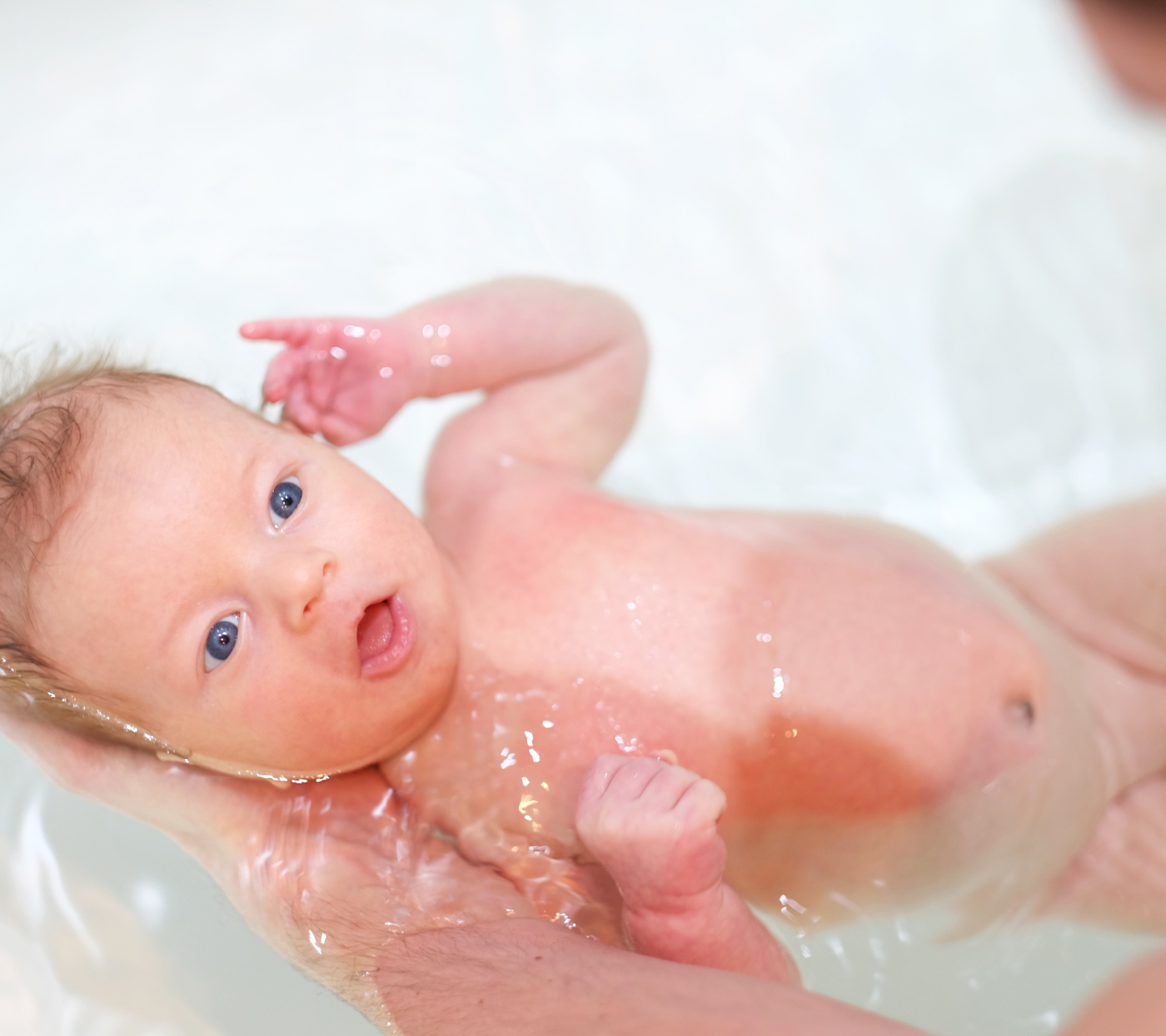
"Why does my baby hate bath time?"
"How do I stop my newborn from crying during baths?"
"Is it normal for babies to scream during bath time?"
If you're asking these questions, you're not alone. Up to 85% of new parents struggle with crying, fussy babies during bath time – but these challenges are completely solvable with the right approach and patience.
Why Do Babies Cry During Bath Time?
Bath time crying is incredibly common and usually stems from your baby feeling cold, insecure, or overwhelmed by new sensations. The most common reasons include temperature shock (even properly heated water feels different from body temperature), loss of security (being undressed feels vulnerable after nine months in the womb), sensory overload (water sounds and new sensations overwhelm newborns), timing issues (baths during natural fussy periods), and physical discomfort (hunger or tiredness). Nearly all babies who initially cry during baths learn to tolerate and even enjoy them within 2-4 weeks of gentle, consistent routine.
How to Stop Your Baby’s Crying During Bath Time
Temperature fixes: Check water temperature with a thermometer; it should be 98-100°F (37-38°C). Pre-warm your bathroom to 75-80°F and warm towels beforehand.
Security and comfort measures: Move your baby gradually from dressed to in the water. Maintain physical contact by keeping one hand on baby's chest throughout. Keep your baby partially wrapped in a washcloth while washing different body parts, and talk or sing throughout.

Step-by-Step Approach to Reduce Crying
Week 1: Start with 2-3 minutes maximum. Focus on only the essential areas to wash; face, neck, and diaper area. Keep your baby mostly covered. End before major distress.
Week 2: Extend to 5-7 minutes if tolerated. Add gentle water pouring and soft washcloths. Try different times of day to find your baby's most receptive period.
Week 3: Look for engagement signs. Add gentle interaction through talking and eye contact. Maintain a consistent routine with the same time of day and setup.
Slippery Babies: Safety Solutions
Babies become slippery due to their natural protective coating (vernix and oils), soap, and warmer water increasing natural oils on skin. Use textured bath mats inside the tub and on the bathroom floor. Keep dry washcloths nearby for better grip. The two-handed football hold (baby's body along your forearm with head support) or cross-body support works well. Practice holding your baby in bathing positions when dry to build muscle memory. Start with only 1-2 inches of water for easier management.
Newborn Bath Temperature Problems
According to the American Academy of Dermatology, water that feels comfortable to adult hands can burn baby's sensitive skin. Common mistakes include trusting your hands (which can't accurately judge safe temperatures), ignoring room temperature effects, overlooking seasonal variations, and not accounting for gradual cooling during longer baths.
For water that feels too cool: Check actual temperature with a thermometer (it may be correct but your room is cold). Pre-warm your bathroom to 75-80°F before starting bathtime.
For water that seems too warm: Always let water cool and retest. Never risk burning your baby's skin. Check your water heater setting, which may be set too high.
For water that cools too quickly: Fill the tub just before use. Consider deeper water (3-4 inches retains heat better than 2 inches). Keep baths to 5-10 minutes to prevent cooling issues.
Baby Seems Scared of Bath Water: Gentle Solutions
Signs your baby is scared include immediate crying when seeing bath water, body stiffening when approaching the bath area, and difficulty calming even after the bath ends. This differs from general discomfort; it's a learned fear from previous uncomfortable experiences or overstimulation.
Phase 1: Rebuilding positive associations (Week 1) Spend time in a warm, dry bathroom with your baby. Let them hear gentle water running from a distance. Use warm washcloths on their body. Create a positive environment with soft music, dim lights, and calm parental energy.
Phase 2: Gradual water introduction (Week 2) Start with barely an inch of water covering baby's bottom. Let baby's feet touch water while being held. Limit exposure to 2-3 minutes initially. Wrap in a warm towel at the first sign of distress.
Phase 3: Building tolerance (Week 3-4) Increase to 2 inches of water if baby tolerates the initial amount. Use a cup to pour warm water over legs gently. Add 1-2 minutes if baby shows comfort. Introduce interactive elements like gentle splashing.
Newborn Skin Irritation After Baths
Normal post-bath skin includes slight pinkness that fades within 30 minutes and temporary dryness in winter months.
Concerning signs requiring attention include persistent redness lasting more than 2 hours, a raised rash or bumps, excessive dryness that doesn't improve with moisturizing, and skin that seems uncomfortable or itchy.
Solutions for bath-related skin irritation:
-
Lower water temperature to 96-98°F instead of 100°F.
-
Reduce bath time to 5 minutes maximum.
-
Switch to fragrance-free, hypoallergenic products.
-
Pat skin dry instead of rubbing.
-
Apply pediatrician-approved moisturizer within 3 minutes of the bath.
When Baby Hates Bath Time: The Otteroo Alternative
Some babies consistently resist traditional bathing due to temperament, physical sensitivity to temperature and handling, or previous negative experiences. When conventional methods consistently fail, trying a floating device can often provide immediate relief.
Floating eliminates grip anxiety while recreating the womb environment through natural buoyancy. It reduces overstimulation by minimizing handling and manipulation. Many parents report dramatic transformations: "Sophie screamed through every bath for her first month. The first time we tried the Otteroo, she just quietly floated and looked around. No crying. I actually cried tears of relief." When traditional baths aren't working, floating can help your baby (and you) actually enjoy water time.
 Other alternatives include the standing rinse method (hold baby upright and pour water gently), washcloth baths (thorough cleaning without submersion), or the two-person tag team approach.
Parent Anxiety About Bathing Newborn
New parent fears are universal: "What if I drop the baby?" "What if the water temperature is wrong?" These concerns show you're a caring parent.
Building confidence: Start with knowledge and practice the motions with a dry baby. Get partner support. Begin with short, successful baths. Focus on baby's cues rather than perfection. Most parents feel confident within 2-4 weeks.
When to Call the Doctor About Bath Time Issues
Routine consultation topics: Persistent skin reactions despite product and temperature changes, questions about bathing frequency, product recommendations for sensitive skin, and general newborn care guidance.
Urgent situations requiring immediate attention: Severe skin reactions (widespread redness, swelling, or blistering), signs of infection (fever, warmth, pus), breathing difficulties, or extreme lethargy after baths.
Quick Solutions Guide
Baby cries when put in bath water: Check temperature (must be 98-100°F), warm the room (75-80°F), go slower with gradual entry, or try floating alternatives.
Baby slips out of your hands: Use textured mats, keep towels handy, try two-person bathing, or consider hands-free floating devices like Otteroo.
Water temperature keeps being wrong: Always use a thermometer, pre-warm the bathroom, test multiple spots, and carefully add warm water during bath if temperature drops.
Baby's skin gets red after every bath: Lower temperature to 98°F, reduce bath time to 5 minutes, switch to fragrance-free products, and moisturize immediately.
You're too scared to bathe your newborn: Practice when dry, get partner help, start with super short baths (2-3 minutes), or try floating devices like Otteroo.
FAQ: Your Bath Time Questions Answered
Is it normal for my baby to cry during every bath? Yes, very normal initially. Up to 85% of newborns cry during early baths. Most adjust within 2-4 weeks with a gentle, consistent routine.
How do I know if my baby is too cold? Watch for blue lips or shivering. The room should be 75-80°F, and water 98-100°F. Pre-warmed towels help too.
My baby seems scared of bath water. What should I do? Start with gradual exposure. Let them hear water running, touch water with feet only, and use very short sessions. Consider floating alternatives if fear persists.
When can I start using Otteroo? As early as 2 weeks old, once the umbilical cord has healed. Many parents find it transforms bath time from stressful to peaceful for everyone!
Should I bathe my baby less if they hate it? You can maintain hygiene with daily spot cleaning and full baths 2-3 times per week. Work on making baths more comfortable rather than skipping them.
Summary: From Problems to Peaceful Bath Time
Bath time challenges are temporary and almost always solvable. Most babies who initially dislike baths learn to enjoy them within 2-4 weeks of consistent, gentle routine. Address one problem at a time rather than changing everything. Give modifications time to work - try new things or approaches for a minimum of 3-5 attempts. Don't hesitate to seek help from healthcare providers. Consider innovative approaches like Otteroo, which may solve multiple issues simultaneously.
Remember that your baby's comfort and your confidence are both important. There's no single "right" way to bathe a newborn. The best approach is the one that keeps your baby safe, clean, and helps your family bond. With patience, practice, and the right problem-solving strategies, those early bathtime struggles will transform into some of your most cherished parenting moments.
Medical Disclaimer: This troubleshooting guide provides general information only. Always consult your pediatrician for concerns about your baby's skin, health, or development. Individual babies may have unique needs requiring professional medical guidance