

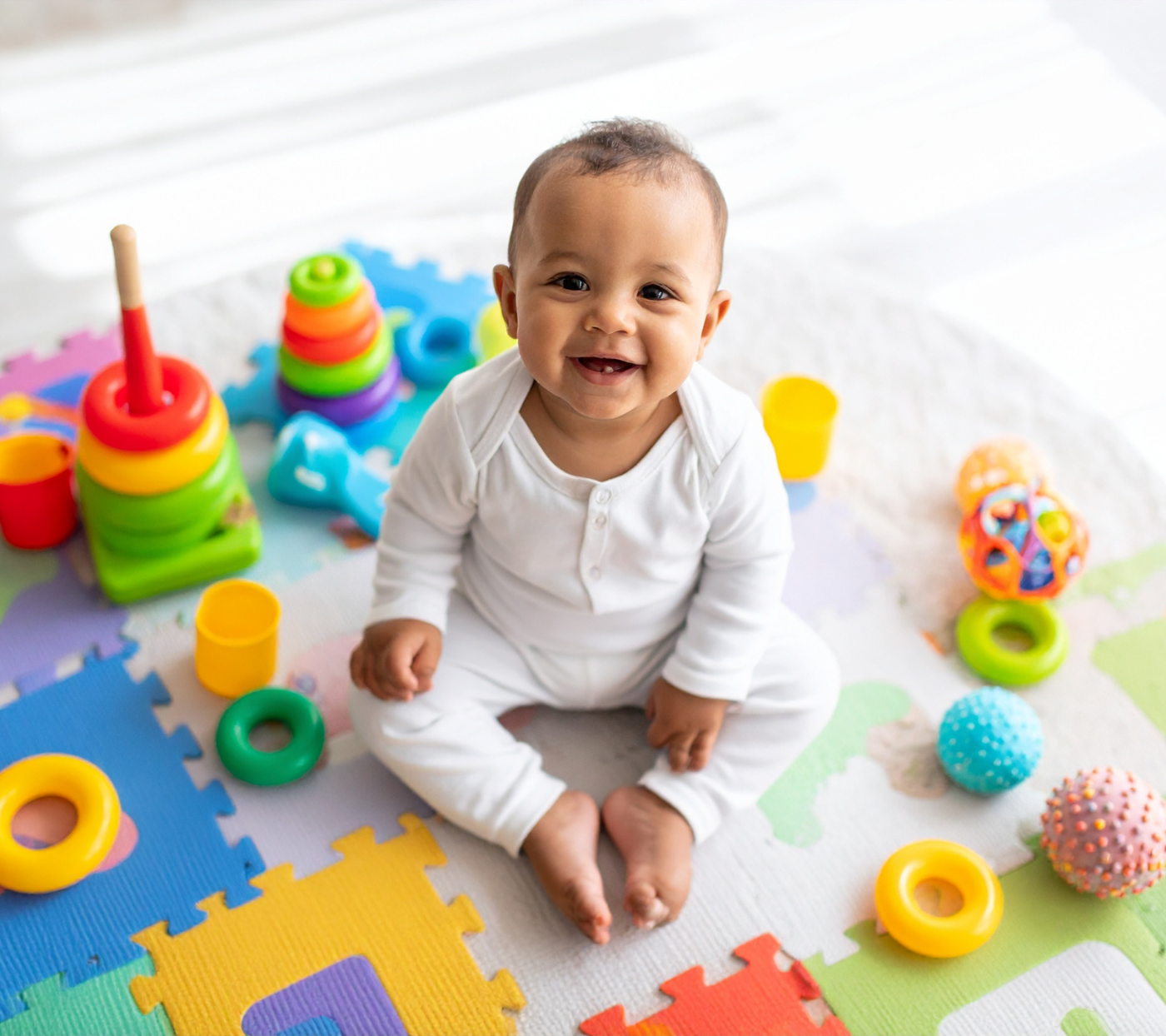
Sensory play is fundamental to your baby's brain development and learning. From birth, your baby's sensory cortex is actively processing touch, sight, sound, and movement experiences. This guide explores age-appropriate sensory activities you can do at home, including water-based experiences that provide unique sensory input.
Why Sensory Play Matters
Sensory experiences help build neural connections in your baby's developing brain. The sensory cortex is one of the most active regions in newborns, making sensory input crucial for healthy development.
How sensory play supports development:
-
Creates neural pathways through repeated experiences
-
Develops hand-eye coordination and motor skills
-
Supports cognitive growth and problem-solving abilities
-
Builds parent-child attachment through shared experiences
-
Helps babies learn about their environment and their own bodies
Understanding Your Baby's Senses
The Five Primary Senses
Touch (Most developed at birth): Your baby's sense of touch includes pressure, temperature, texture, and vibration. It's their primary way of exploring the world in early months.
Sight (Rapidly developing): Visual development progresses quickly from basic light detection to complex pattern recognition and tracking.
Hearing (Well-developed at birth): Babies can distinguish voices and sounds from birth and quickly learn to locate sound sources.
Smell and Taste (Connected systems): These work together to help babies recognize caregivers and explore their environment safely.
Movement and Position Awareness: Babies also sense movement, balance, and body position, which are important for physical development and safety.
Sensory Activities by Age (0-12 Months)
0-3 Months: Foundation Building
Focus: Basic sensory processing and attachment building.
Recommended activities:
-
Skin-to-skin contact during feeding and bonding
-
Gentle massage with baby-safe oils
-
High-contrast black and white visual patterns
-
Soft music and varied environmental sounds
-
Different fabric textures for gentle touch

3-6 Months: Active Exploration
Focus: Hand-mouth coordination and intentional movement.
Recommended activities:
-
Textured toys safe for mouthing
-
Rattles and simple sound-making toys
-
Mirror play for visual development
-
Tummy time on different surface textures
-
Simple water experiences during bath time
6-12 Months: Complex Integration
Focus: Multi-sensory experiences and mobility.
Recommended activities:
-
Safe sensory bins with varied materials
-
Finger foods with different textures (age-appropriate)
-
Simple musical instruments
-
Water play with containers and floating toys
-
Outdoor exploration of natural textures
Land-Based Sensory Play Ideas
Touch Experiences
Texture exploration:
-
Create collections of safe materials with different surfaces
-
Use fabric squares: silk, velvet, corduroy, fleece
-
Provide natural materials under supervision: smooth stones, wooden blocks
-
Offer varied household items: measuring cups, wooden spoons
Massage and gentle touch:
-
Use light pressure during diaper changes
-
Try different textures during massage: soft brushes, textured mitts
-
Vary temperatures safely: slightly warm towels, room temperature materials
Visual Activities
For young babies (0-4 months):
-
Black and white pattern cards
-
Slowly moving mobiles at safe distances
-
Natural light and gentle shadow play
For older babies (4+ months):
-
Colorful toys that move or spin
-
Bubbles for visual tracking
-
Mirrors for self-recognition and visual exploration
Sound Exploration
Musical experiences:
-
Play various music genres: classical, folk, children's songs
-
Sing and hum during daily activities
-
Introduce simple rhythm instruments appropriate for age
Environmental sounds:
-
Nature recordings: birds, water, gentle rain
-
Household sounds: different containers, wooden spoons on pots
-
Voice variations: different tones, whispers, animated speech
Water-Based Sensory Experiences
Why Water Provides Unique Sensory Input
Water offers sensory experiences that differ from land-based activities:
-
Surrounds the body with consistent tactile input
-
Allows for movement patterns not possible on land
-
Combines multiple sensory experiences simultaneously
-
Often provides naturally calming sensory input
Traditional Water Activities
Basic bath experiences:
-
Gentle water pouring over hands and feet
-
Floating toys for visual interest
-
Different containers for cause-and-effect exploration
-
Washcloths with varied textures
Enhanced Water Experiences
For babies who enjoy water: Some families find that allowing babies to experience supported floating provides unique sensory benefits. Products like Otteroo, designed for babies as young as 2 weeks old (after umbilical cord healing), create opportunities for enhanced water-based sensory experiences.

What Otteroo offers:
-
Secure head support that allows babies to float freely while keeping their head safely above water
-
Freedom for arms and legs to move through water, interact with toys
-
Freed hands for parents to engage rather than just hold
-
Extended water time in a supported, comfortable position; because baby’s body is fully submerged, they stay warmer longer than a traditional baby tub
Potential sensory benefits when babies can move more freely in water:
-
Enhanced tactile input from water surrounding their body
-
Opportunities for movement patterns not restricted by gravity
-
Multi-sensory experiences combining touch, sight, sound, and movement
-
Natural floating sensation that many babies find calming
Important considerations for Otteroo use:
-
Constant adult supervision is required at all times
-
Proper fitting is essential for safety
-
Start with short sessions and gradually increase as baby shows comfort
Safety considerations for any water activity:
-
Constant adult supervision required
-
Appropriate water temperature (consult your pediatrician)
-
Proper support and safety equipment as needed
-
Age-appropriate duration and intensity
DIY Sensory Play for Every Budget
No-Cost Activities
Household sensory exploration:
-
Kitchen containers of different shapes and sizes
-
Fabric scraps from old clothing
-
Natural materials collected outdoors (supervised use)
-
Paper with different textures: smooth, crinkly, textured
Homemade sensory tools:
-
Containers with uncooked rice or pasta for shaking (sealed securely)
-
Cardboard boxes with holes for reaching through
Low-Cost Investments ($10-50)
Basic sensory materials:
-
Textured balls in various sizes
-
Simple musical instruments appropriate for babies
-
Touch-and-feel books
-
Basic water play containers
Premium Options ($50+)
Specialized equipment:
-
Professional sensory toys designed for development
-
Water-based activity systems with proper safety features
-
Multi-texture play environments
Creating a Sensory-Rich Environment
Throughout Your Home
Living spaces:
-
Provide varied textures in furnishings and decor
-
Include safe musical elements and sound sources
-
Ensure good lighting for visual development
-
Create open spaces for movement and exploration
Daily routine integration:
-
Include sensory elements in caregiving: varied textures during dressing
-
Provide sensory input during feeding: different temperatures, textures
-
Create calming sensory experiences for bedtime routines
Outdoor Experiences
Natural sensory input:
-
Safe exploration of grass, leaves, and natural textures
-
Exposure to natural sounds: birds, wind, water
-
Visual experiences with natural light and shadows
-
Fresh air and temperature variations
Safe Sensory Play Guidelines
Material safety:
-
Ensure all materials are age-appropriate and non-toxic
-
Regularly inspect toys and materials for damage
-
Choose appropriate sizes to prevent choking hazards
-
Use only baby-safe products for anything that might be mouthed
Supervision requirements:
-
Maintain constant adult supervision during all sensory activities
-
Watch for signs of overstimulation: fussiness, turning away, crying
-
Understand your individual baby's tolerance levels
-
Have a plan for quick intervention if needed
Environment safety:
-
Keep play areas clean and sanitized
-
Ensure appropriate temperatures for materials and room
-
Provide safe surfaces for exploration and movement
-
Remove potential hazards from play areas
Water Safety Specifics
Essential water safety:
-
Never leave a baby unattended in or near water
-
Maintain appropriate water depth for the activity
-
Use proper water temperature (consult pediatric guidelines)
-
Have towels and warming methods ready
-
Ensure any floating or support devices are used according to manufacturer instructions
-
Consider consulting with your pediatrician about water activities
FAQ: Your Sensory Play Questions
Q: How much sensory play should I provide each day?
A: Sensory experiences can be woven throughout daily activities rather than confined to specific play times. Short, frequent experiences are often more beneficial than long sessions.
Q: Can I provide too much sensory stimulation?
A: Yes. Watch for signs of overstimulation like fussiness or turning away. Always follow your baby's cues and provide quiet time when needed.
Q: When should I introduce water-based activities?
A: Basic water experiences can begin with regular bath time. For any enhanced water activities, consult with your pediatrician about appropriate timing and safety measures.
Q: Are expensive sensory toys necessary?
A: Many effective sensory experiences can be created with common household items. The key is providing varied, safe experiences.
Q: How do I know if my baby's sensory development is progressing normally?
A: Look for age-appropriate responses to sensory input and increasing interest in exploration. Consult your pediatrician with any concerns about development.
Q: What should I do if my baby seems very sensitive to sensory input?
A: Some babies are naturally more sensitive. Start with very gentle experiences and gradually increase intensity. If you have concerns about extreme sensitivity, discuss with your pediatrician.
Supporting Your Baby's Sensory Development
Providing varied, age-appropriate sensory experiences helps build the foundation for your baby's future learning and development.
Remember:
-
Every baby develops at their own pace.
-
Safety always comes first in any sensory activity.
-
Quality of interaction matters more than quantity of toys or activities.
-
Your baby's comfort and enjoyment should guide all sensory experiences. Follow their cues and preferences.
By understanding the importance of sensory development and providing appropriate experiences, you're supporting your baby's natural curiosity and helping build crucial neural pathways that will benefit them throughout life.