

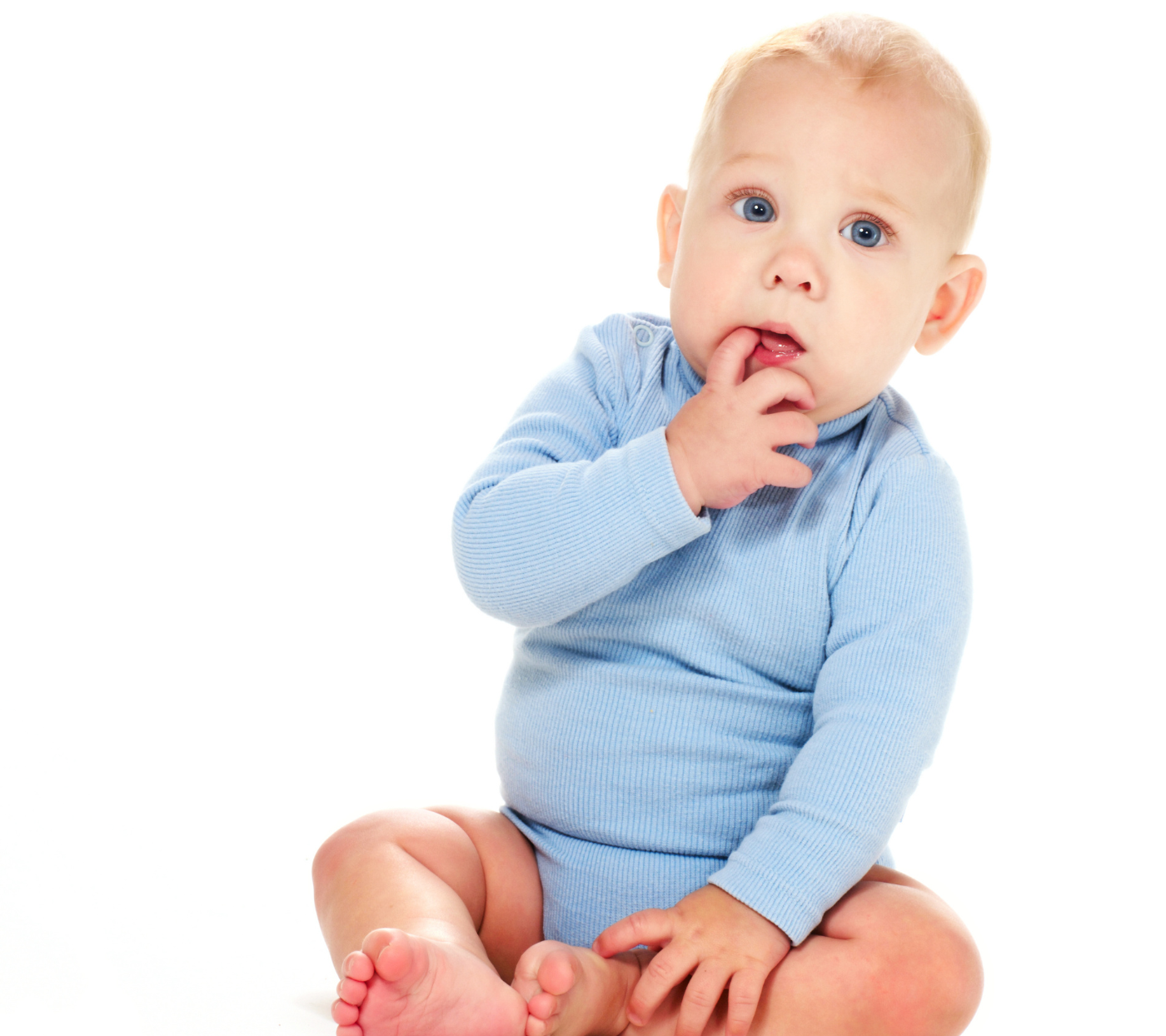
You're watching your 3-month-old intently stare at their own hand. They wiggle their fingers. They bring it to their mouth. They do it again. And again.
It might look like your baby is just flailing around. But here's what's actually happening: your baby is running experiments. Testing what their body can do. Building a map of who they are in relation to the world.
And that's motor planning. And it's exactly how babies learn to move.
What Motor Planning Actually Is (Without the Clinical Speak)
Motor planning sounds complicated. It's not.
Motor planning is basically your baby's brain figuring out what their body can do.
When your baby moves, their brain is collecting data. Every kick of their legs, every reach of their arms - it's feedback. Information. Input that says "okay, when I do THIS, THAT happens."
A kick while floating in Otteroo makes water splash. So their brain learns: I can make waves. An arm swing creates movement. So they learn: I have control here. I can actually do things.
This isn't learned through instruction. It's learned through experimentation. Your baby doesn't need you to show them anything. They need to be allowed to move and explore, and their brain naturally figures out the rest.
How This Actually Develops Over Time
Birth to 3 Months: First Discoveries
Your newborn's movements look random. That's because they are, neurologically speaking. Reflexes are running the show, the startle reflex, the rooting reflex, all those automatic movements.
But something quiet is happening underneath: your baby is beginning to notice their own body. That hand coming into view? That foot moving? Your baby's brain is starting to track it. Starting to register: I have extremities. They move. Interesting.
By 3 months, your baby might intentionally track a hand or foot with their eyes. Intentional. That's the shift. Not reflexive anymore, actual awareness and attention.
3 to 6 Months: Finding Movement
Now your baby is starting to want to move. They're rolling (sometimes; some babies skip this entirely, totally normal). They're reaching for things. They're sitting with support, discovering they have more control.
Their movements are becoming more deliberate. More planned. More like "I want to reach that thing, so I'm going to move my arm in this direction."
This is motor planning in action. Your baby's brain is learning the relationship between intention and movement.
Water based activities like Otteroo time can support this phase by offering a different type of resistance and sensory-rich feedback that helps babies develop this awareness.
6 to 12 Months: Everything Changes
This is the BIG SHIFT. Your baby might crawl, might scoot, might do something you've never heard of. The point is they're moving independently now. Without you supporting them.
And the brain changes that happen are wild. Within weeks of independent movement, babies show dramatic cognitive leaps. Better memory. Better spatial awareness. Better understanding of how their body moves through space.
Research shows this happens regardless of how babies move. Crawling, scooting, bottom shuffling. The movement itself is what triggers the brain development. The method matters less than the independence. Water based exploration during this period provides unique movement experiences on land alone that can complement crawling practice and build fuller movement vocabulary.

12+ Months: Building on Foundation
Standing, walking, running, climbing. Each new movement pattern teaches your baby something different about their body and the world. How balance works. How momentum works. How far their body can reach.
The Part That Makes Parents Uncomfortable: You Can't Really Teach This
Here's what's important to understand: you can't teach motor planning.
You can't show your baby how to crawl and expect them to crawl. You can't "teach" them to roll by positioning them the right way repeatedly.
What you can do is create space for them to explore. Space. Time. Freedom. And your baby's brain does the rest.
This is where a lot of parenting advice gets confusing. There are exercises and techniques. Classes and methods. And some of them are helpful for building strength or creating structure.
But the actual learning of motor planning? That happens through your baby's own exploration. When they feel safe enough to try things. When they have the freedom to experiment and fail without judgment.
Why This Matters Beyond Just Moving
The reason we care about motor planning isn't just so your baby can crawl or walk on schedule.
Motor planning is how your baby learns about cause and effect. How they learn what they're capable of. How they build confidence in their own body.
A baby who's had lots of safe opportunities to explore movement develops a different sense of self than a baby who's been moved by others more than they've moved themselves.
The first baby thinks: "I can do things. I can make things happen. I have agency."
The second baby is still learning: "Other people move me around."
The difference matters. It shapes how curious they are. How confident they feel trying new things. How they approach problem-solving later.
Where Water Changes Everything
Here's something most babies don't experience until they're already moving well on land: what their body can do with a little resistance and support (buoyancy) that's different from gravity.
In water, movement is different.
A kick on land propels them maybe an inch. A kick in water creates a more complex feedback loop. Their leg travels differently. They feel resistance. They feel the water's response. And they move.
Reaching on land requires fighting gravity. Reaching in water requires adjusting for resistance and buoyancy, a different motor planning challenge altogether. And it also creates more immediate feedback, seeing and hearing the water splash.
Floating in water with proper support teaches spatial awareness babies can't fully explore on land. The sensory input is richer. The movement options are different. Water based activities like those supported by Otteroo allow babies to explore these movement patterns earlier and more freely than traditional land based development alone.
Ready to Explore Water Play?
Real parents notice:
“This is one of our favorite activities. My 4mo is really starting to understand kicking the water makes her move and she loves it. She also sleeps so well after!” - Kimberly T.
“I was definitely skeptical about buying this but I’m so glad I did! My daughter is 8 weeks old and absolutely loves it! It’s so much fun to watch her explore the tub with new movements. I will recommend this to all my mom friends!” - Brittany H.

How Movement Shapes Brain Development
This brings us back to the research we mentioned: when babies get independent movement, whether crawling, water play, or whatever the vehicle, their brains change rapidly.
Memory improves. Pre crawling babies struggle to find hidden objects. Once mobile? Suddenly they're tracking things mentally. Where objects are in relation to the room. In relation to other things. In relation to themselves.
Spatial awareness explodes. A baby learns heights and starts fearing them appropriately. Learns depth. Learns the concept of obstacles and how to navigate around them.
Social skills sharpen. Crawling babies make more eye contact, are more socially aware, check in with their caregivers more often. Why? When you're mobile, you need to coordinate with others. You're not just receiving care; you're initiating interactions.
Emotional development accelerates. Independent movement creates independence feelings. Confidence. New emotions emerge. Risk assessment. Caution. Pride.
All of this happens because of movement. Because the brain has data it didn't have before.
And for babies who get varied movement experiences, on land, in water, on different surfaces, the learning is even richer. They're collecting more types of data. Experiencing more variation. Building more robust neural maps.
What You Actually Need to Do (Spoiler: It's Simple)
Create opportunities for movement. That's it.
For newborns to 6 months:
-
Tummy time (even if they hate it, even for short stretches)
-
Floor time on their back to move arms and legs freely
-
Water based activities with Otteroo (starting at 2 weeks, post cord healing)
-
Let them practice reaching for things at their own pace
For 6 months to 12 months:
-
Clear floor space for crawling, scooting, moving however they want
-
Low furniture they can practice pulling to standing on
-
Varied surfaces (carpet, hardwood, outside)
-
Water time to practice movement variations
-
Things to reach for, just slightly out of reach
For 12+ months:
-
Same as above, but more advanced obstacles and spaces
-
Climbing (safely supervised)
-
Running, dancing, all the big movements
-
Water play that challenges balance and coordination
You're not creating an intensive program. You're creating a space. An environment where your baby can safely explore what their body can do.
The Question Every Parent Asks
"Is my baby on track?"
You probably are. The range for pretty much every motor milestone is huge.
Rolling can happen anywhere from 2 months to 9 months. Crawling can start at 5 months or not happen until 15 months. Walking ranges from 9 months to 18+ months.
When your baby's unique self learns their unique way? That's the right timeline.
When to actually talk to your doctor:
-
No purposeful movement by 3 months
-
Can't bear weight on legs by 12 months
-
Strong preference for one side
-
Significant changes in muscle tone (very floppy or very stiff)
-
Loss of skills they previously had
Everything else? Your baby is probably just being their own brand of awesome.
Real Talk
Your baby is learning to move not through instruction or classes or techniques.
They're learning through movement itself. Through the freedom to try. Through the safety to fail. Through countless experiments with their own body.
Your job isn't to teach them. It's to create the conditions where they can teach themselves.
Space. Time. Safety. Varied experiences on land and in water. Encouragement without pressure.
That's the physics of motor planning. That's how your baby learns to move.
And when you provide those conditions, especially when you add water based movement to the mix, something shifts. Your baby becomes more confident. More capable. More aware of their own body and what it can do.
That's not a product benefit. That's human development happening exactly as it should.
REMEMBER: ALWAYS stay close enough to lift your baby out at any moment if needed. NEVER leave your baby alone in water, even for a second!
Otteroo is designed to provide buoyancy support during water play. The information in this article is educational and not medical advice. Development varies widely among babies, and every baby develops at their own pace. For specific concerns about your baby's development or health, please consult your pediatrician.